Where ancient trees whisper the age of the world

From Ocean to Summit in Chilean Patagonia – A sanctuary where 3,000-year-old trees stand as guardians of an untouched ecosystem

A Sanctuary Frozen in Time

Welcome to Ayacara Alerce Trail Park

In northern Chilean Patagonia, there lies a sanctuary frozen in time. The Ayacara Alerce Trail Park is more than just a conservation destination. According to both tradition and geography, it is the very heart where the Andean Alerce was born and from which it expanded.

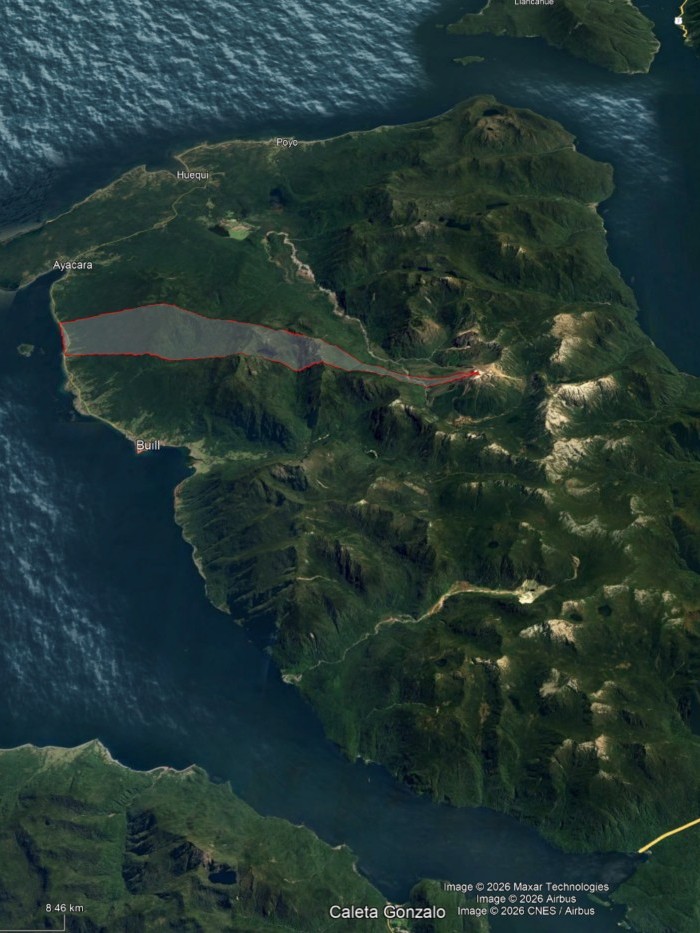
Located on the Comau Peninsula, this sacred territory encompasses a magnificent geographical embrace that begins at the waters of the Gulf of Ancud and ascends to the summit of the legendary Huequi Volcano, standing as one of the most beautiful and best-preserved hidden gems in northern Patagonia.

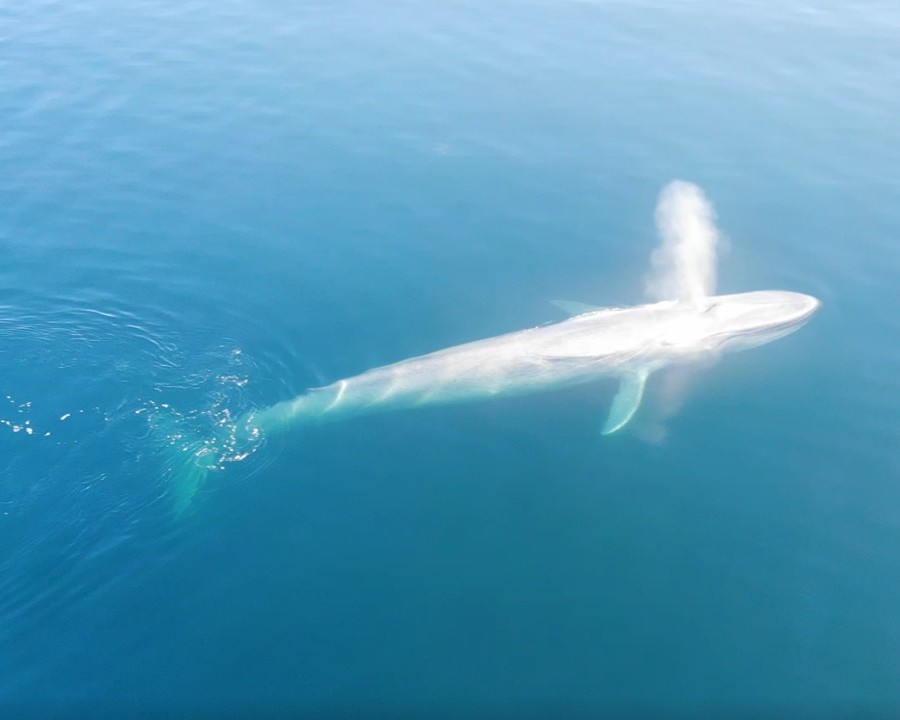
The park offers a profound connection across a vast landscape where the coastal borders serve as a privileged stage for witnessing the majestic passage of great whales and dolphins in the gulf waters.

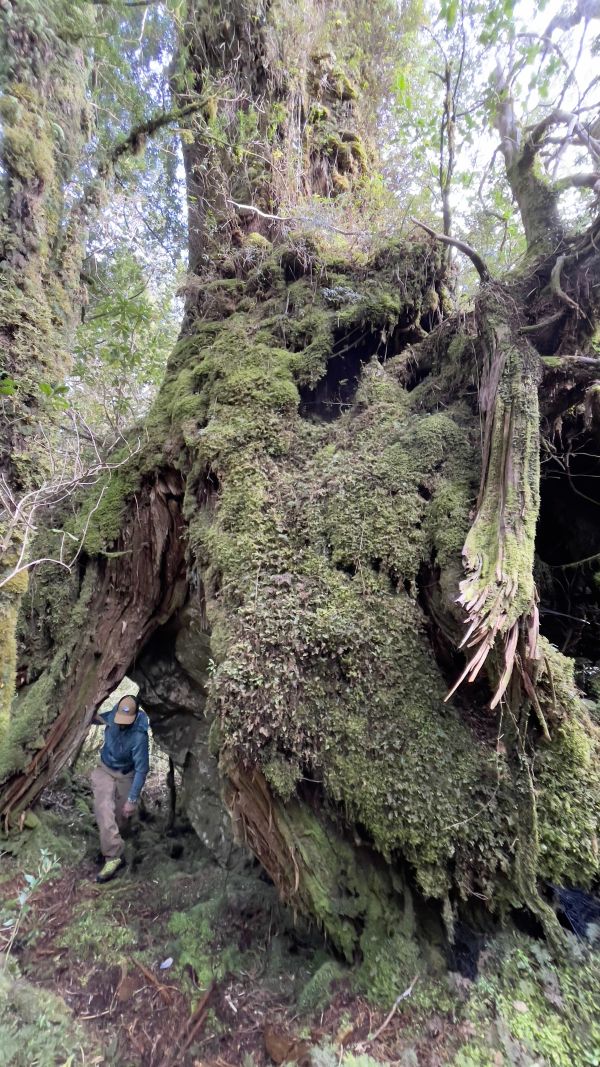
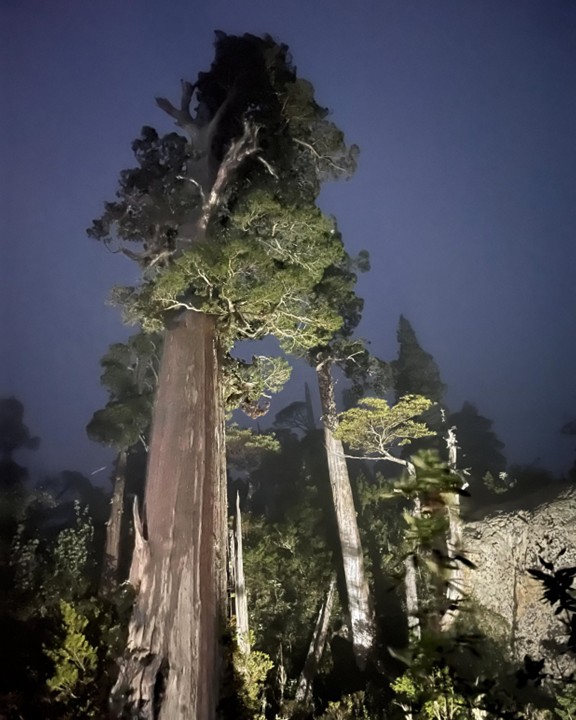
As the terrain rises, the park protects millennial Alerces (Fitzroya cupressoides) — some of which are dated between 2,500 and 3,000 years old, ranking them among the oldest living beings on Earth.

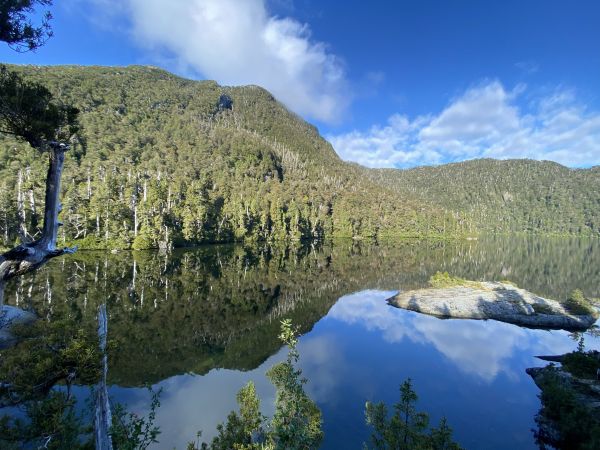
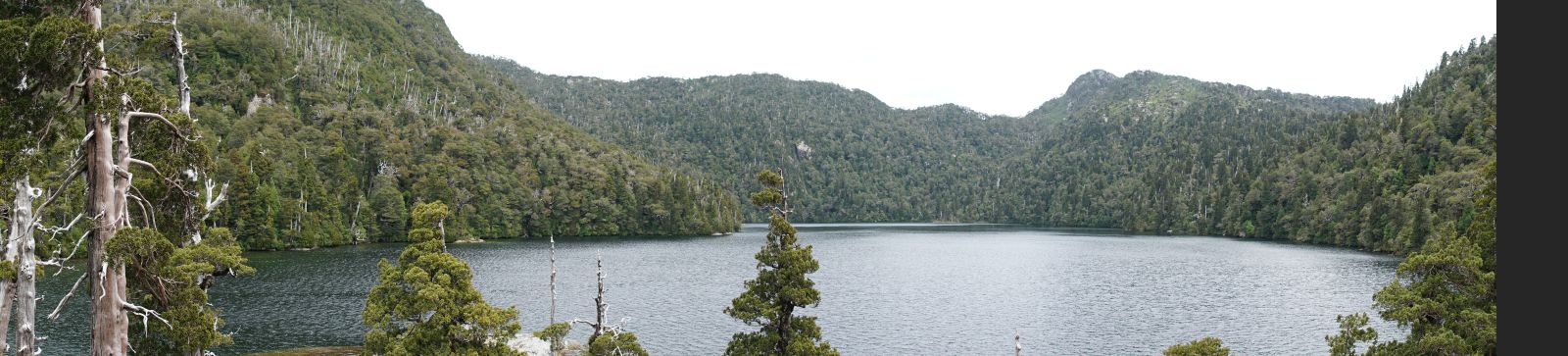
Deep within this temperate rainforest, the crystal-clear Tolita Lagoon remains a sanctuary where time stands still, all leading toward the dramatic peaks that culminate at the Huequi Volcano, the silent guardian and geological anchor that unites this entire ecosystem between the ocean and the sky.
Ayacara landscape

The Journey: From Sea to Summit

6 milestones to understand the magic of the Ayacara Alerce Trail Park

The Journey: From Sea to Summit panorama
MILESTONE 1

The Ocean Gateway

Sightings in the Gulf of Ancud

Whales in Gulf of Ancud
Photo: Drone footage by Cesar Romero in front of Ayacara Alerce Trail Park

Where Rainforest Meets the Sea

The journey through Ayacara Alerce Trail Park begins where the rainforest meets the sea. From the park's westernmost edge, the natural elevation of the terrain serves as a privileged lookout over the deep waters of the Gulf of Ancud.

This oceanic balcony offers a front-row seat to the giants of the sea. Visitors can witness the majestic passage of great whales and the playful movements of various dolphin species that call these pristine waters home. It marks the start of a breathtaking ascent, leading you from the vastness of the Pacific directly into the heart of the Andean peaks.

MILESTONE 2

The Ancient Larches

Fitzroya cupressoides – The Second Longest-Living Trees on Earth

Ancient Alerce trees
Millennial alerces stand as silent witnesses to three thousand years of history

Living Monuments of Time

Fitzroya cupressoides — a living monument declared Natural Heritage in 1976, the second longest-living tree species on Earth.

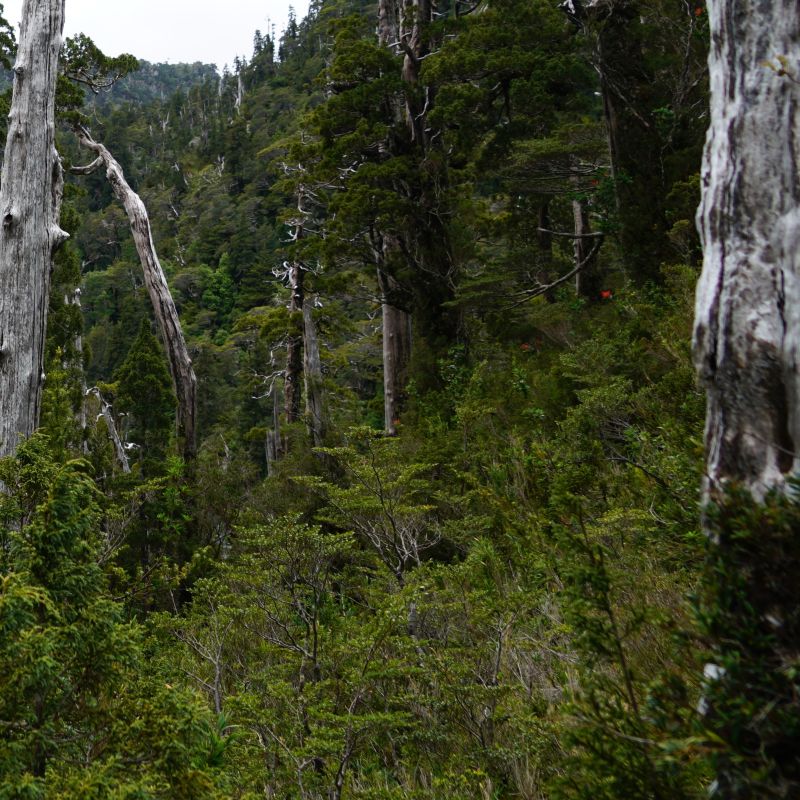
The vegetation corresponds to that of a temperate rainy forest characterized by the presence of ancient live larch trees that give it an infinite ecological value.

The larch is a tree of the Fitzroya genus, of the Cupressaceae family — the only species of the genus, ancient and endemic to Chile's Tenth Region and border areas of Argentina. It grows from sea level to 1,500 metres above it, forming almost pure forests.

It is an evergreen species, with scale or spatula-shaped leaves. Slow growing, it is very long-lived and can reach heights of over 50 metres and a diameter of up to 5 metres. The age of existing trees reaches up to 3,000 years — one of longest-living trees in the world.

Much of the Comau Peninsula still has totally pristine vegetation, dominating the formation of larches within what is known as the Chilota Forest.
MILESTONE 3

Great Biodiversity of Flora

The Valdivian Rainforest Canopy and Alpine Resilience

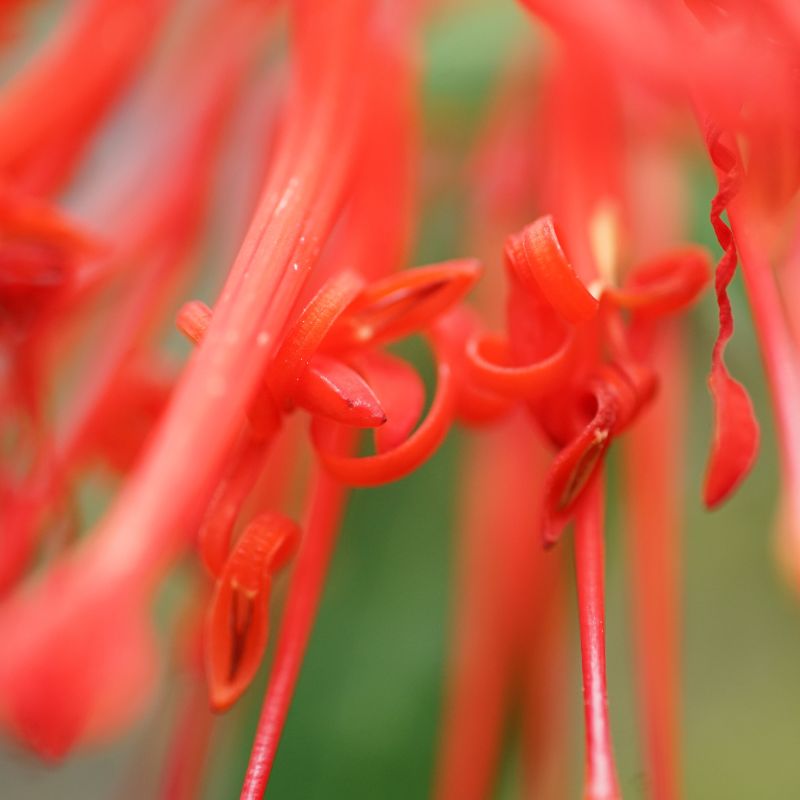
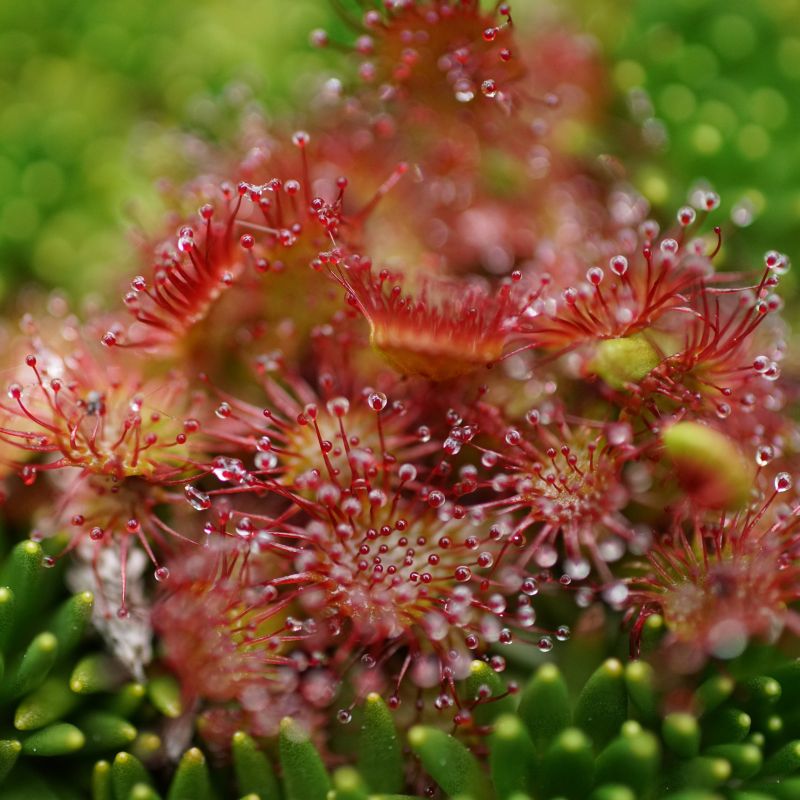
Floral Gems and Forest Colors

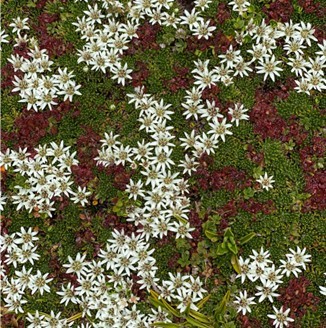
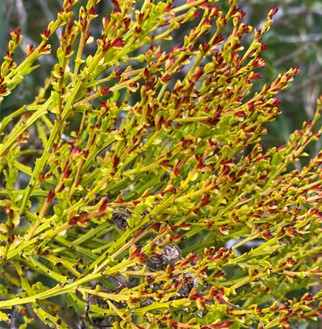
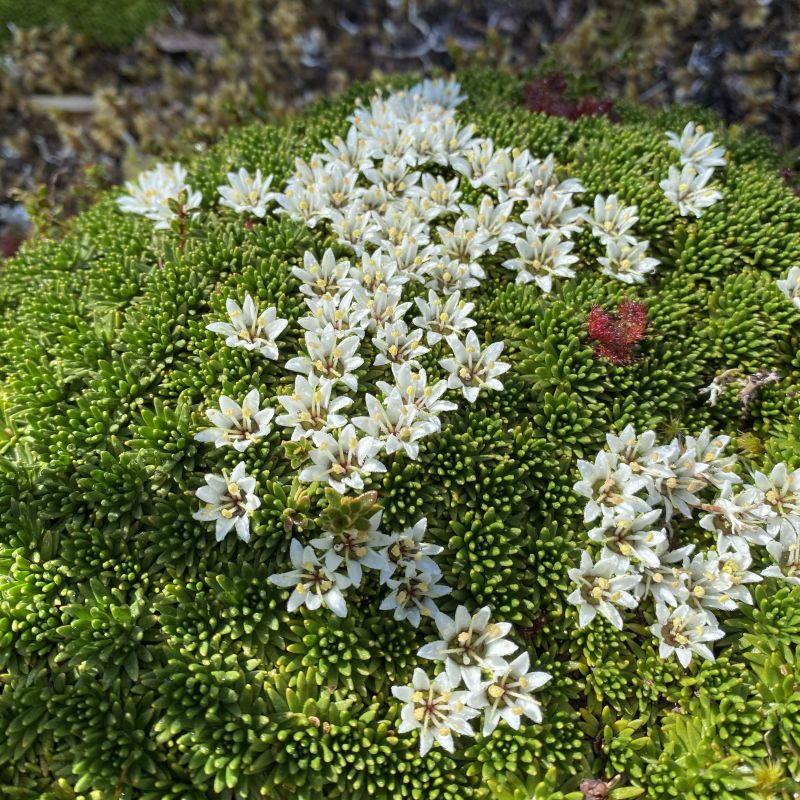
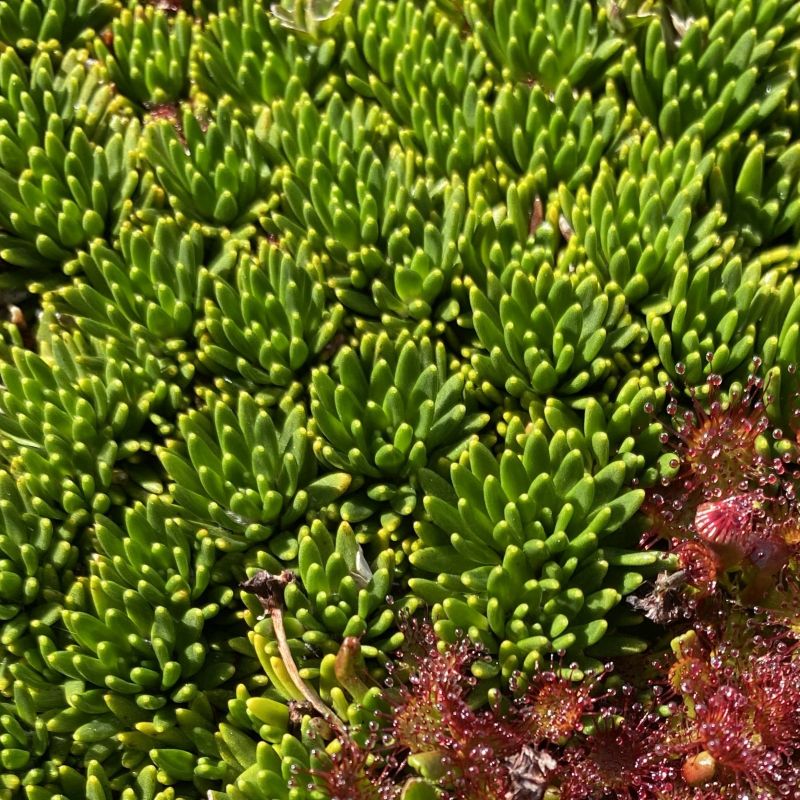
Beyond the majestic Alerces, the park protects a vibrant tapestry of flora that defines the temperate rainforest of southern Chile. This botanical diversity creates a multi-layered ecosystem where ancient giants, resilient shrubs, and delicate wildflowers coexist in perfect harmony.

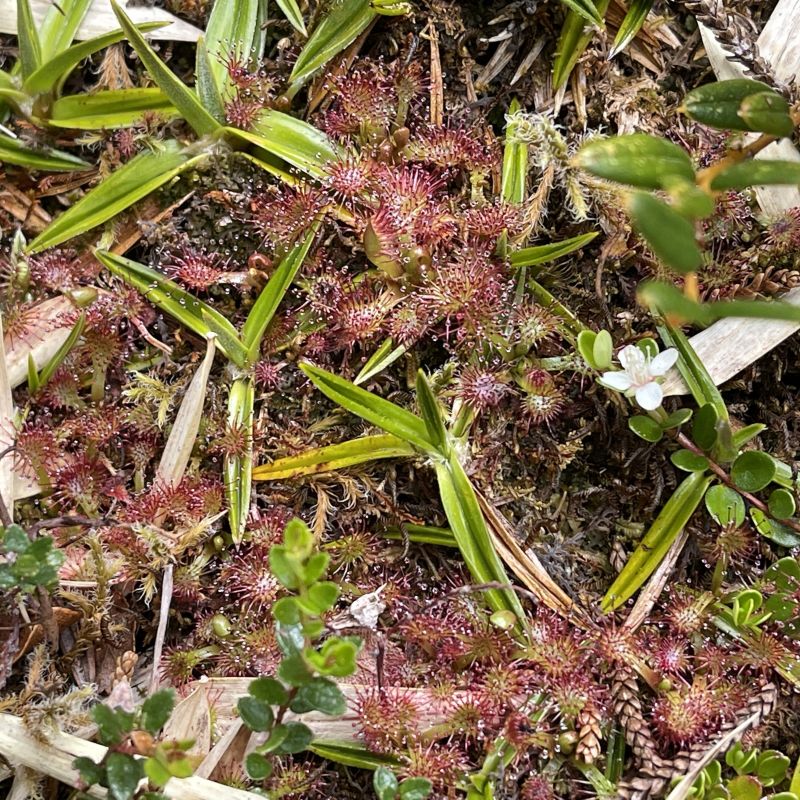
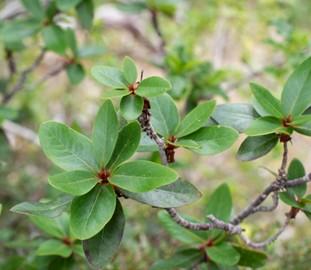
The Valdivian Rainforest Canopy: The lower and middle elevations are dominated by an evergreen explosion of life. Here, you will find the Giants (Coihue and Canelo – the sacred tree of the Mapuche), the Intricates (Arrayán with its distinctive orange bark), and the Undergrowth (Quila native bamboo providing nesting grounds for fauna).

MILESTONE 4

A Sanctuary for Elusive Wildlife

Guardians of the Forest and Symphony in the Canopy

Fauna: The Heartbeat of the Ecosystem

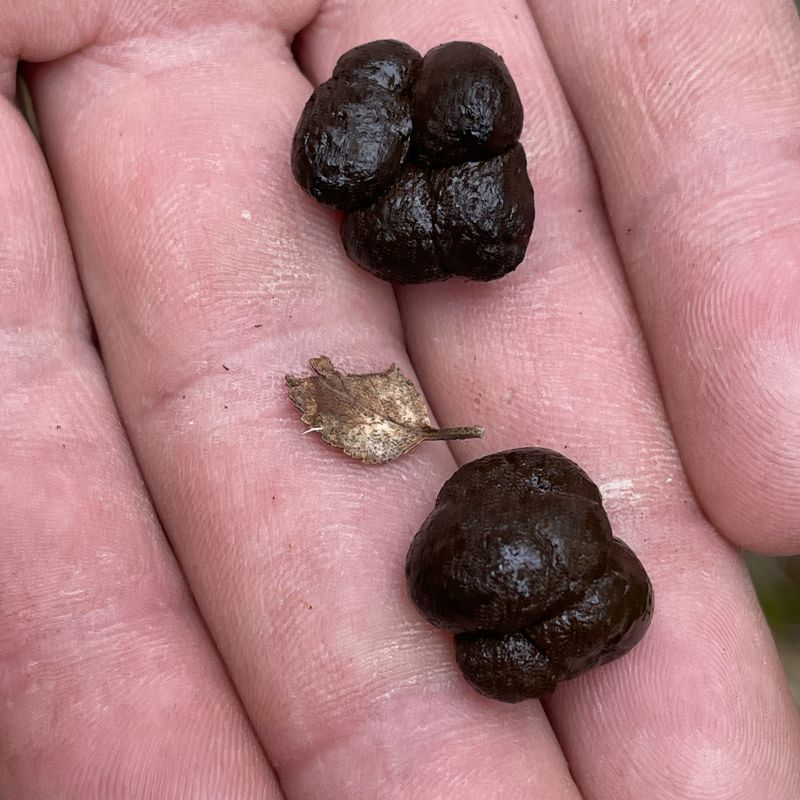
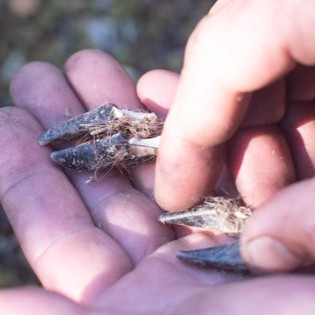
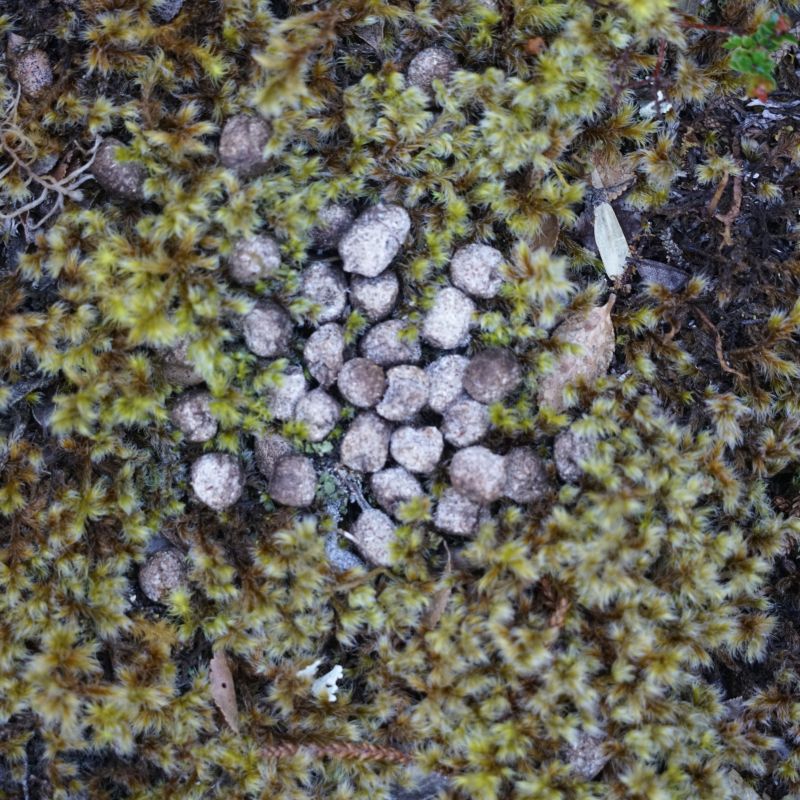
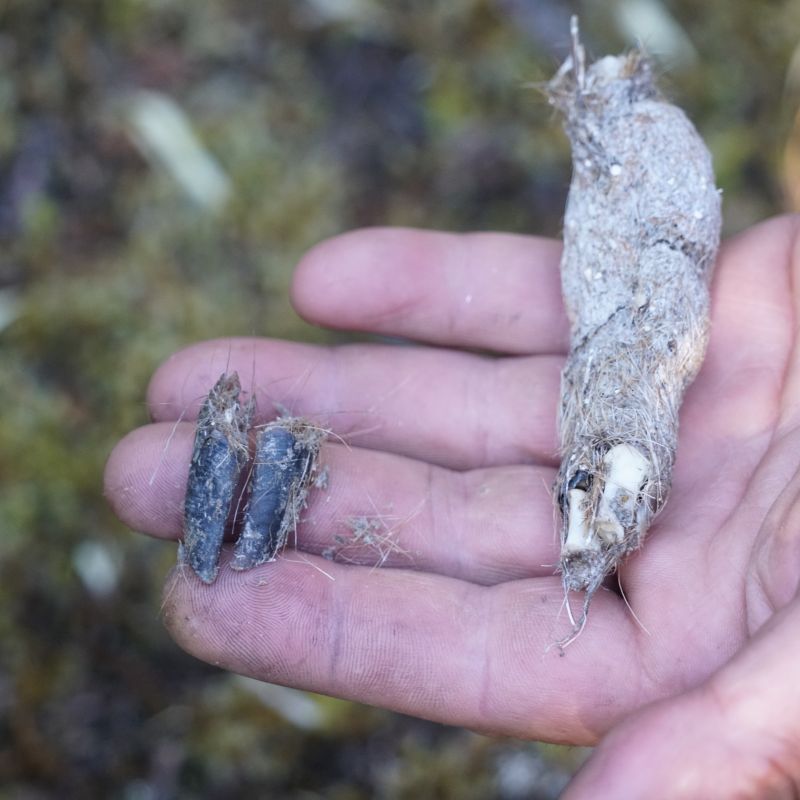
The Park is not only a botanical treasure but also a vital corridor for some of Patagonia's most secretive fauna. Recent expeditions have confirmed the presence of key mammal species through the discovery of fresh tracks and remains, highlighting a thriving, undisturbed ecosystem.

Guardians of the Forest: Our conservation area is home to the Pudú—the world's smallest deer—whose presence has been documented by rare findings of fresh tracks and remains deep within the forest. These elusive creatures share their habitat with powerful predators like the Puma and agile native cats like the Kodkod (locally known as Güiña). You may also encounter the Lesser Grison (Quique or Chilean mink), a testament to the park's rich biodiversity. Most notably, local inhabitants have reported sightings of the majestic Huemul (South Andean Deer), a critically endangered national symbol that finds a safe haven in these untouched lands.

MILESTONE 5

Tolita Lagoon: The Mirror of Antiquity

The Crown Jewel – Where Time Stands Still

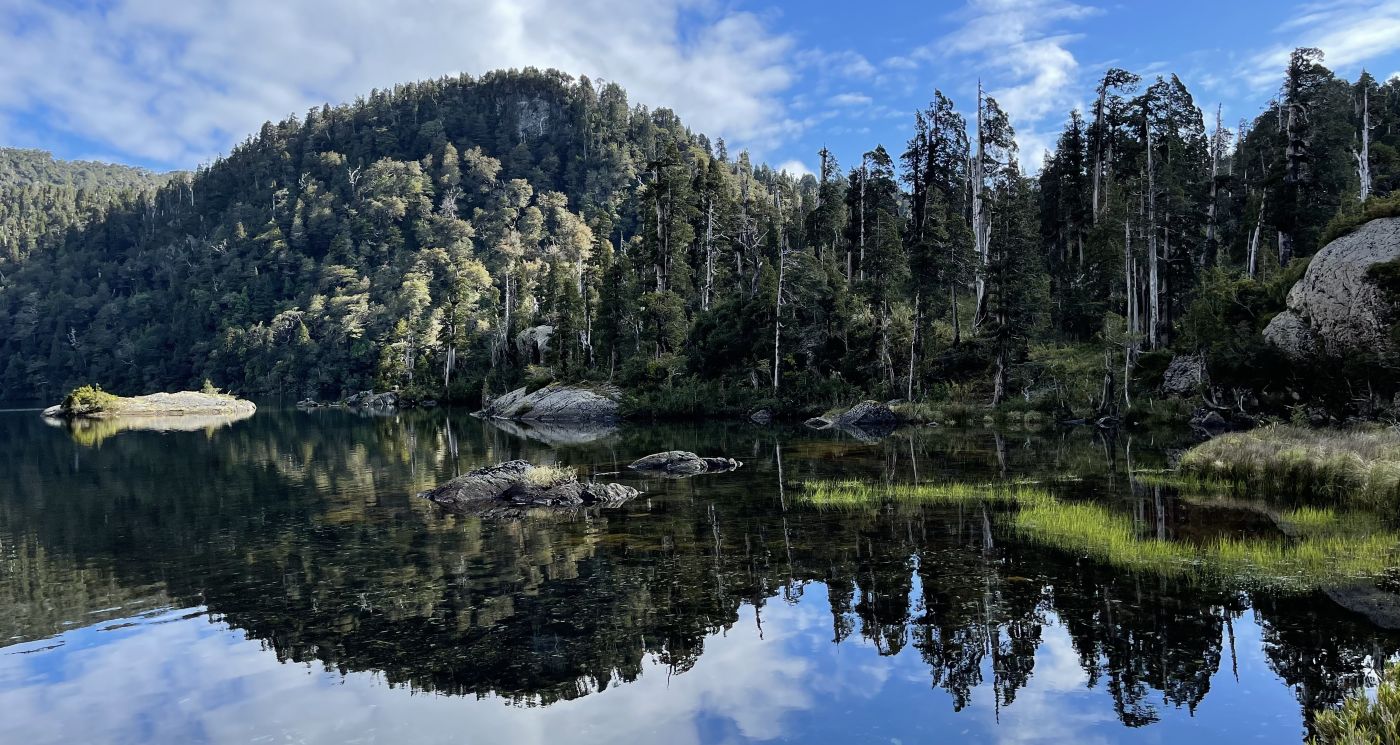
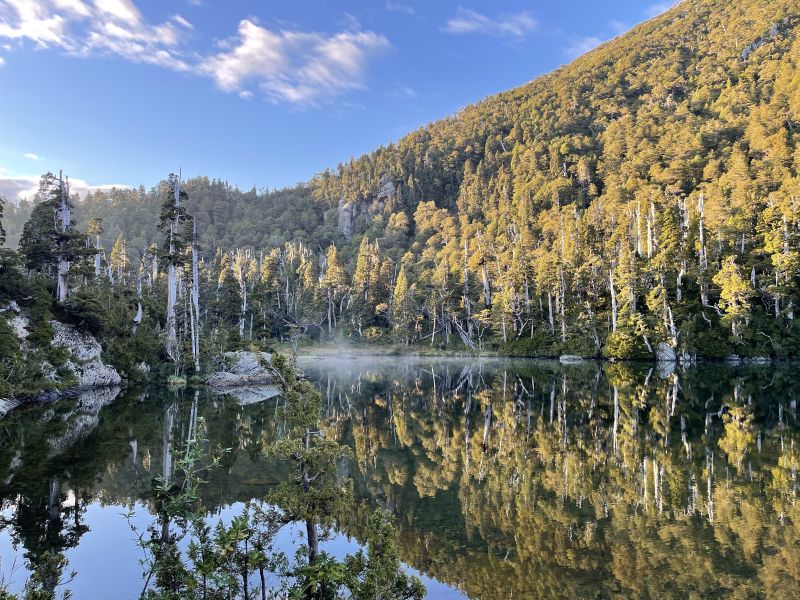
Tolita Lagoon is more than just a body of water; it is the park's most precious crown jewel. Cradled by a cathedral of ancient Alerce forests, its crystal-clear waters act as a perfect mirror, blurring the line between the deep blue sky and the emerald earth.

Tolita Lagoon

A Pristine Ecosystem

Unlike most lagoons in southern Chile, Tolita remains one of the few places on Earth never artificially "seeded" with trout or other invasive fish. This preservation of its original state has created a unique biological sanctuary.

Pristine Ecosystem

The Frog Symphony

Without aquatic predators, the local frog populations flourish. At night, the silence of the Andes is broken by a vibrant "rock-and-roll concert," a natural symphony that has played unchanged for millennia.

The Living Bonsais

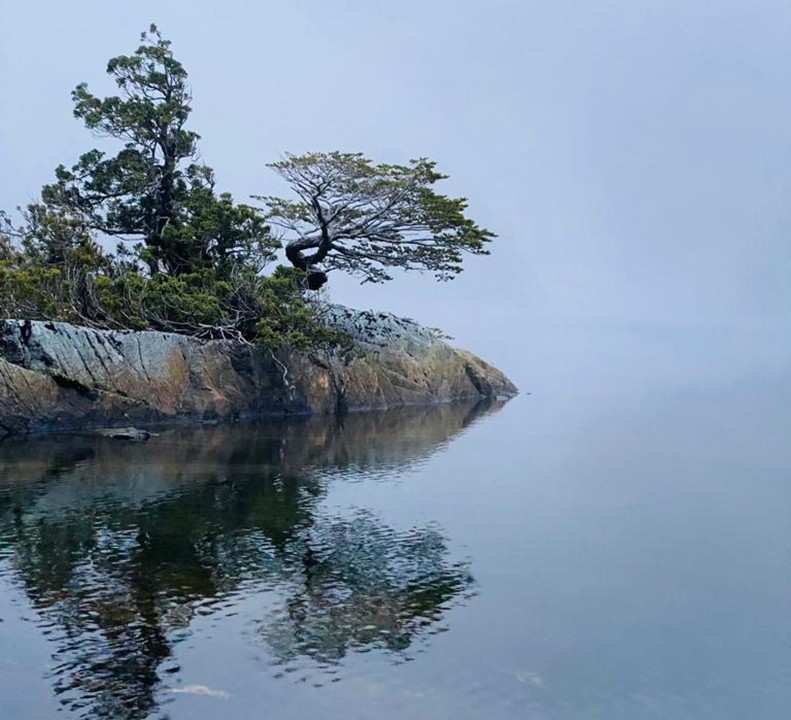
Along its rocky shores, you can observe ancient Alerces that have grown in extreme conditions, naturally developing into "living bonsais"—miniature giants that represent centuries of resilience.

The Living Bonsais
MILESTONE 6

Huequi Volcano

The Guardian and Geological Heart of the Park

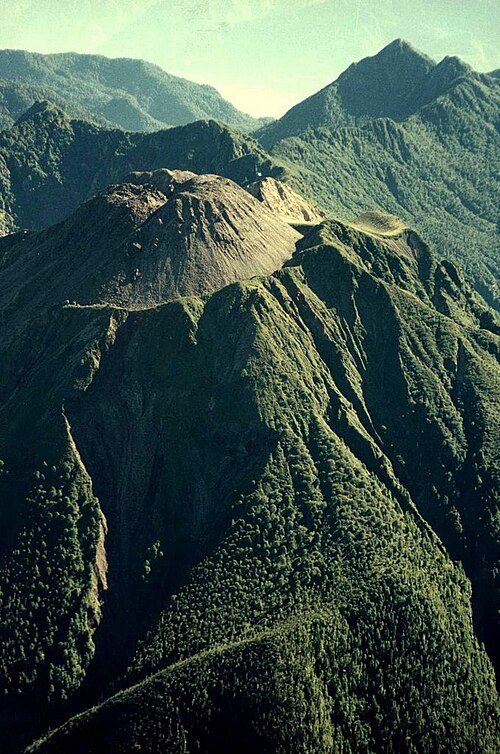
Huequi Volcano
Source: https://commons.wikimedia.org/wiki/File:Huequi.jpg

The Guardian of the Peninsula

Rising as the park's crowning summit, the Huequi Volcano (1,318 m) stands as the silent sentinel of the landscape. As the geographic and spiritual heart of the Comau Peninsula (also known as the Huequi Peninsula), its peak offers a commanding gaze over the entire territory, serving as the central axis where wildlife and the ancient temperate rainforest unfold.

A Geological Rarity

The Huequi is a unique architectural feat of nature. It is composed of a distinctive set of lava domes and associated pyroclastic deposits. Its volcanic makeup is a subject of fascination for scientists, with compositions ranging from andesite-basaltic to dacite. These rocks possess geochemical and mineralogical properties that are remarkably uncommon within the regional context of the Southern Volcanic Zone of the Andes, making the volcano a true geological anomaly.

A Serene History

While the volcano defines the rugged skyline, its history is one of relative stability. Regional tephrochronological studies—the study of volcanic ash layers—show no reports of major eruptions from this complex during the Holocene. Although there are historical accounts of small-scale activity during the 1890s and 1920s, the Huequi remains a peaceful guardian today.

Geology & Water Resources

6,177 Acres of Geological and Hydrological Wealth

Geology

The Ayacara Alerce Trail Park spans an impressive 6,177 acres, protecting a terrain shaped by millions of years of geological evolution. This vast area is defined by three main morphological features: a coastal plain of glaciolacustrine deposits, a rugged mountain range exceeding 1,000 m.a.s.l. with steep granodioritic slopes, and the structural Huequi River valley, carved by ancient glacial forces.

Complementing this majestic topography, the park possesses significant water resources with high hydroelectric potential. The region is characterized by an extraordinary average annual precipitation of 4,500 mm and a mean annual temperature of 8°C. Detailed hydrological studies have identified two primary watercourses within the peninsula that offer substantial power generation capabilities due to their natural drops.

These water resources are not only a source of clean energy potential but are also the lifeblood of the park's temperate rainforest, maintaining the high humidity levels required by the ancient Alerces and feeding the pristine Tolita Lagoon.

Getting to Ayacara

Routes to the Heart of the Peninsula

Three Ways to Reach This Sacred Territory

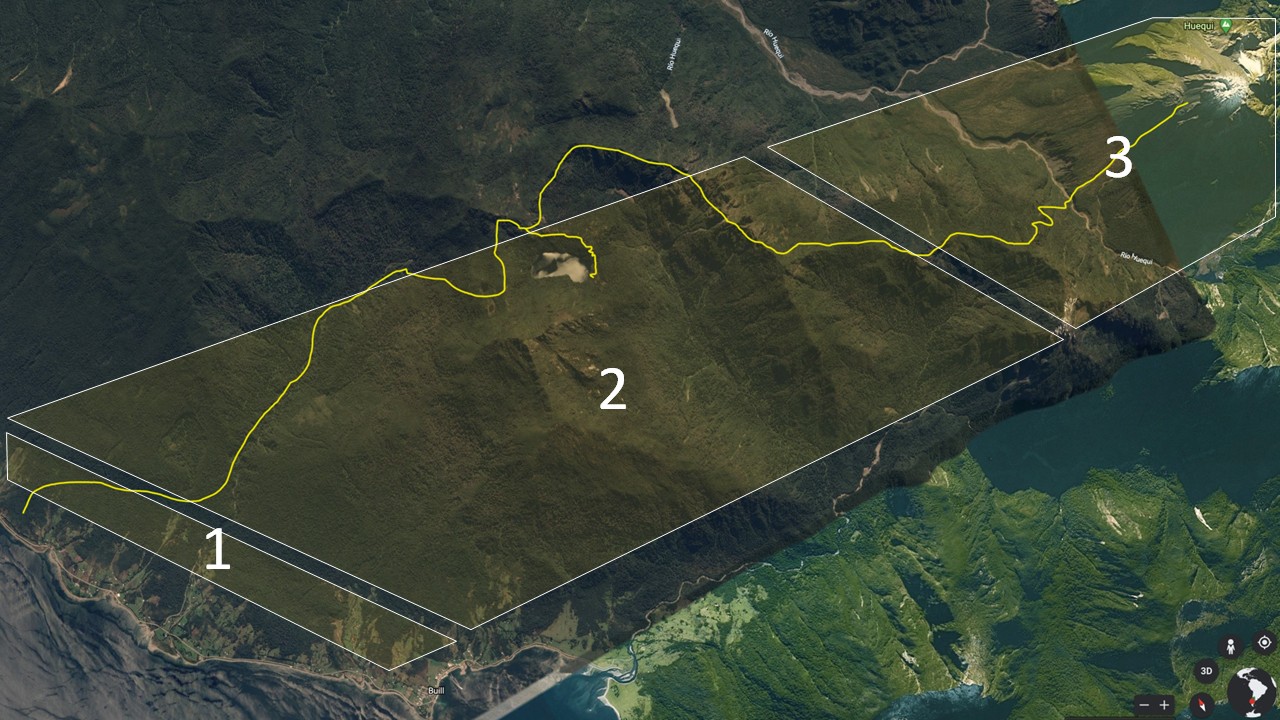
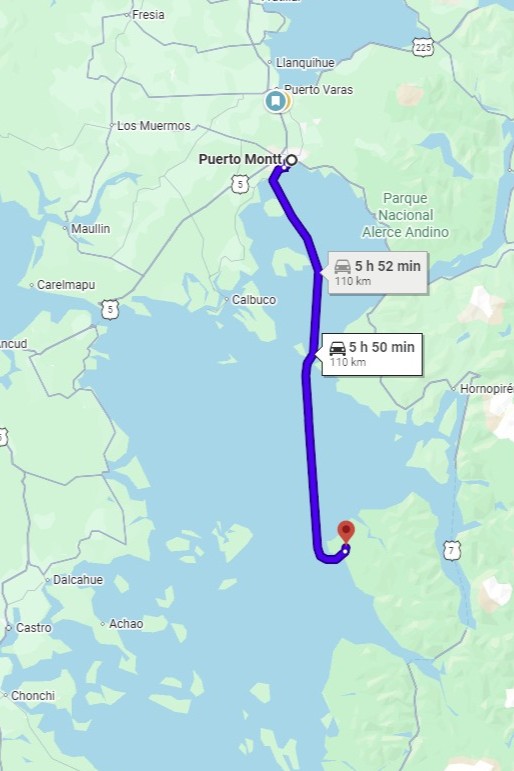
Although the Ayacara Peninsula is located only 110 kilometers (approximately 68 miles) south of Puerto Montt, its rugged geography makes the journey an adventure through the wild landscapes of Patagonia. There are three main ways to reach the park, depending on your preferred pace and mode of travel.

By Air

For those seeking speed and a stunning aerial perspective, a 35 to 45-minute flight from Puerto Montt's La Paloma Airfield directly to the Ayacara Airfield is the most efficient choice, offering a bird's-eye view of the fjords.

By Sea

Alternatively, a direct ferry from the port of Puerto Montt takes you on a scenic 5 to 6-hour voyage through the Gulf of Ancud, perfect for those who wish to begin their experience on the water.

Bimodal Route

Finally, for travelers with their own vehicles, the Bimodal Route offers a grand overland journey of 8 to 10 hours. This path combines driving with several ferry crossings—including the Estuary of Reloncaví and the connection from Hornopirén or Pichicolo—allowing you to witness the gradual transition from the coastal roads to the deep, ancient forests of the peninsula.

Once you arrive in Ayacara, it's a 14-minute drive to the park entrance.

Gateway to the peninsula
Source: Google Maps

Historical Background

From Chonos to Conservation

History

The Huequi Peninsula, standing as an untamed tongue of land between the Gulf of Ancud and the Comau and Reñihue fjords, represents much more than a geographical feature in the Palena Province. It is, fundamentally, a palimpsest where the stories of resistance of seafaring peoples, the ambition of the timber industry, and, ultimately, the hope of global conservation have been written.

For more than six millennia, the Chonos, nomads of the sea, dominated the northern channels. Their biocultural adaptation was prodigious; aboard dalcas—vessels made of planks sewn with vegetable fibers—they turned the Comau Fjord into their home. For the Chonos, the forest was not a source of profit, but of technology: alerce and cypress provided the raw material for navigation, while marine resources sustained their existence.

With the consolidation of the Spanish presence in Chiloé, the peninsula acquired a new strategic and economic value: "green gold." In the absence of precious metals, the alerce became the currency of the region. The timber from Comau and Reñihue financed colonial life, giving rise to the figure of the tejuelero (shingle maker). This trade, which reached its peak between 1850 and 1920 with the spontaneous colonization of Chilote families in Poyo, Ayacara, and Buill, forged the identity of northern Patagonia.

However, the 20th century brought a change in scale that tested the territory's resilience. Attempts at massive industrialization introduced heavy machinery and an extractive logic that the geography ultimately rejected. The definitive turn toward contemporaneity occurred at the end of the 20th century with the emergence of large-scale conservation, transforming the perception of the peninsula: from being a quarry of resources, it became a refuge for global biodiversity.

Why This Land Should Be Preserved

Where the World Ends and Life Endures

The Imperative of Preservation: A Global Treasure

We believe the Ayacara Alerce Trail Park must be preserved because it is a pristine relic—one of the very few that remain untouched in northern Chilean Patagonia. It serves as a living archive of millennia, home to trees older than most civilizations, undisturbed lagoons, and endemic species found nowhere else on Earth. To lose such a place would be to erase a primary chapter of our planet's natural history.

A Critical Global Carbon Reservoir

The park is a cornerstone of the Chiloé temperate forest system, which represents the second-largest carbon-keeping reservoir in the world. Its importance lies not only in the towering ancient Alerces but also in its unique soil composition.

According to research from the National Geographic Society and Rewilding Chile, based on United Nations figures, Patagonian forests and soils are extraordinary high-density carbon sinks. These ecosystems can capture up to three times more CO₂ per hectare than the Amazon rainforest. This extraordinary capacity plays a vital role in mitigating global climate change and regulating the hydrological conditions essential for the entire region's survival.

Why preserve

A Biological "Time Capsule"

Preserving this sanctuary ensures the survival of an "anachronistic" ecosystem. In an era of global environmental shifts, the Ayacara Alerce Trail remains a rare control site for nature—a place where the water remains chemically pure, the soil is an ancient carbon vault, and the "rock-and-roll" of native frogs continues without the interference of invasive species. It is, quite literally, a fortress for the future of biodiversity.

Ownership & Vision for the Future

Patagonia Capital Trust

The Park is owned by Patagonia Capital Trust, a fund created by a group of nature lovers who, 13 years ago, decided to buy and preserve this wonderful place for future generations.

We are now looking for investors willing to take over and leave this field for preservation. By establishing a Real Right of Conservation agreement, the will to protect nature will be expressed as a legacy and legally protected in the long term — since, even if the property changes ownership, it will remain encumbered with the conditions established in the agreement.

In a world of endless change, this place will remain – as it has been – sanctuary frozen in time.

Vision for the future